Farenheit 451 is a very interesting dystopian novel. It reminds me of 1984 in the way it looks critically at society. Given that this novel was published in 1953, it is eerily accurate in its identification of society’s movement towards a world where there is just too much information to process, and people never stop to take a moment and consider things at a deeper level.
The main feature of this novel is the strange repurposing of fire-fighters – of which the protagonist Guy Montag is one – from an institution that aims to help society by putting out accidental fires, to one that deliberately torches the works of contraband authors. This is due to the fact that the works of these authors cause people to think critically about their situation, rather than taking a single answer at face value. Instead, we have become a world of “automatic reflex”, where humans are happier because they don’t have to think about the consequences of their actions, or indeed larger global trends such as an impending war.
I felt that this novel was filled with wisdom and a sad comprehension of the direction that society was moving in at the time (the 1950’s). It is clear that this trend has not ceased, and has instead accelerated to a large degree. Like a mathematician, Bradbury saw the gradient of societal change from a sample in a snapshot of history. As he and others made their way a few steps down the huge mountain of time, he realised the magnitude and consequences of the route that he and his fellow travellers were on. It seems that despite awareness of this fact, and the availability of fiction such as this to warn us, human beings are still no better at learning from their past mistakes.
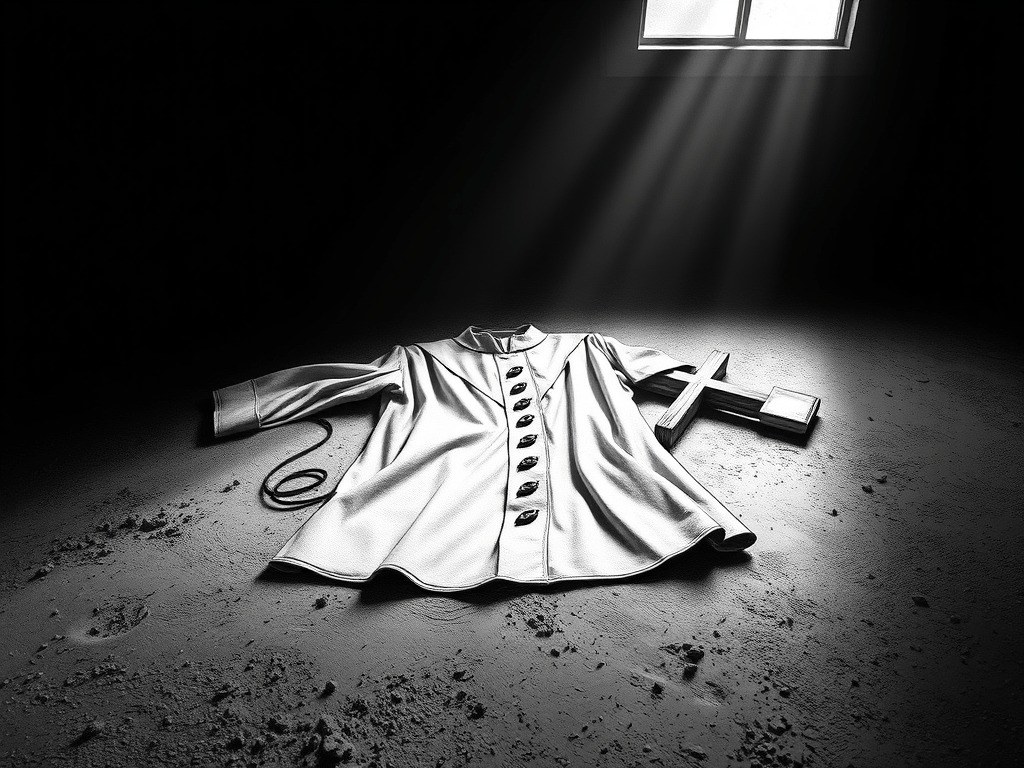
Bradbury draws a beautiful metaphor to describe what happens to society over time: one of a phoenix. Every so often society must destroy itself, and rise out of the ashes to be reborn once again. This really is a great novel because of its relevance today, but reading this novel also makes one just a little sad, for precisely the same reason: that it is still frighteningly accurate.








 Thoughts of Geresy
Leave a comment